Designing the Future , One Stitch at a Time
Introduction to Fashion
Fashion is not just about clothing; it's a form of self-expression, a way to communicate identity, and a reflection of culture, social status, and history. Throughout history, fashion has evolved dramatically, from the intricate, courtly attire of monarchs to the minimalist designs that dominate today's streets. Fashion serves as an important part of human civilization, influencing and being influenced by artistic, cultural, and technological trends. What we wear often defines who we are, and the industry behind it has grown into a massive global enterprise.
The Evolution of Fashion
Design & Development
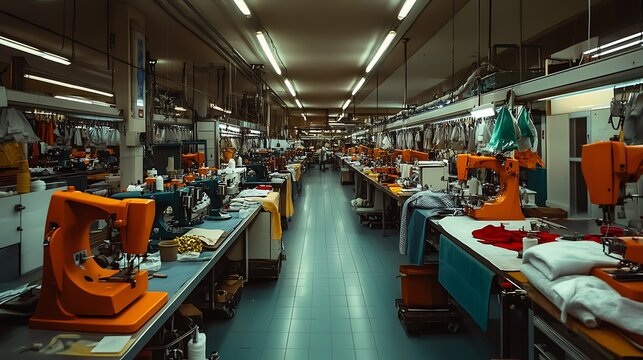
Fashion factories often work closely with designers to create prototypes. This includes designing garments, choosing fabrics, and creating patterns. Content in this category often highlights how designs are turned into physical products, from the sketching phase to samples.
Fabric Selection
The fabric choices are critical in fashion manufacturing. Factories might showcase videos or behind-the-scenes content on how fabric is sourced and selected for mass production, whether it’s organic cotton, synthetic fibers, or high-tech materials.
Cutting & Sewing
Fashion factories typically use both manual and automated machines to cut fabrics to specific patterns. After that, they are sewn together. There’s content that shows how complex garments are stitched together, including insights into the different types of stitching and sewing used.
Automation & Robotics
Automation has entered fashion factories, where robots assist in tasks like fabric cutting, stitching, and even packaging. Content on this subject may showcase how automation improves production efficiency and reduces human error.
3D Printing
3D printing is becoming a more common way to produce clothing, especially in high-end or experimental fashion. Factories might share content on how they use 3D printing to create intricate designs or rapid prototypes.
Digitalization
Many modern fashion factories use digital technologies such as CAD (Computer-Aided Design) and CAM (Computer-Aided Manufacturing) systems. Factories may produce content that shows how these tools improve design accuracy and speed up the production process

Fashion and Gender Expression
Fashion has long been tied to gender norms, with clothing often being used as a tool to reinforce these stereotypes. Historically, men and women were expected to wear distinct clothing that aligned with societal expectations. However, over the last few decades, fashion has become a tool for challenging and redefining gender norms. Many designers are now creating gender-neutral collections, allowing individuals to express their identities without the constraints of traditional gender-specific clothing. Celebrities like Harry Styles and Jaden Smith have become fashion icons, embracing styles that break down gender barriers.
Street Style: The Rise of Urban Fashion
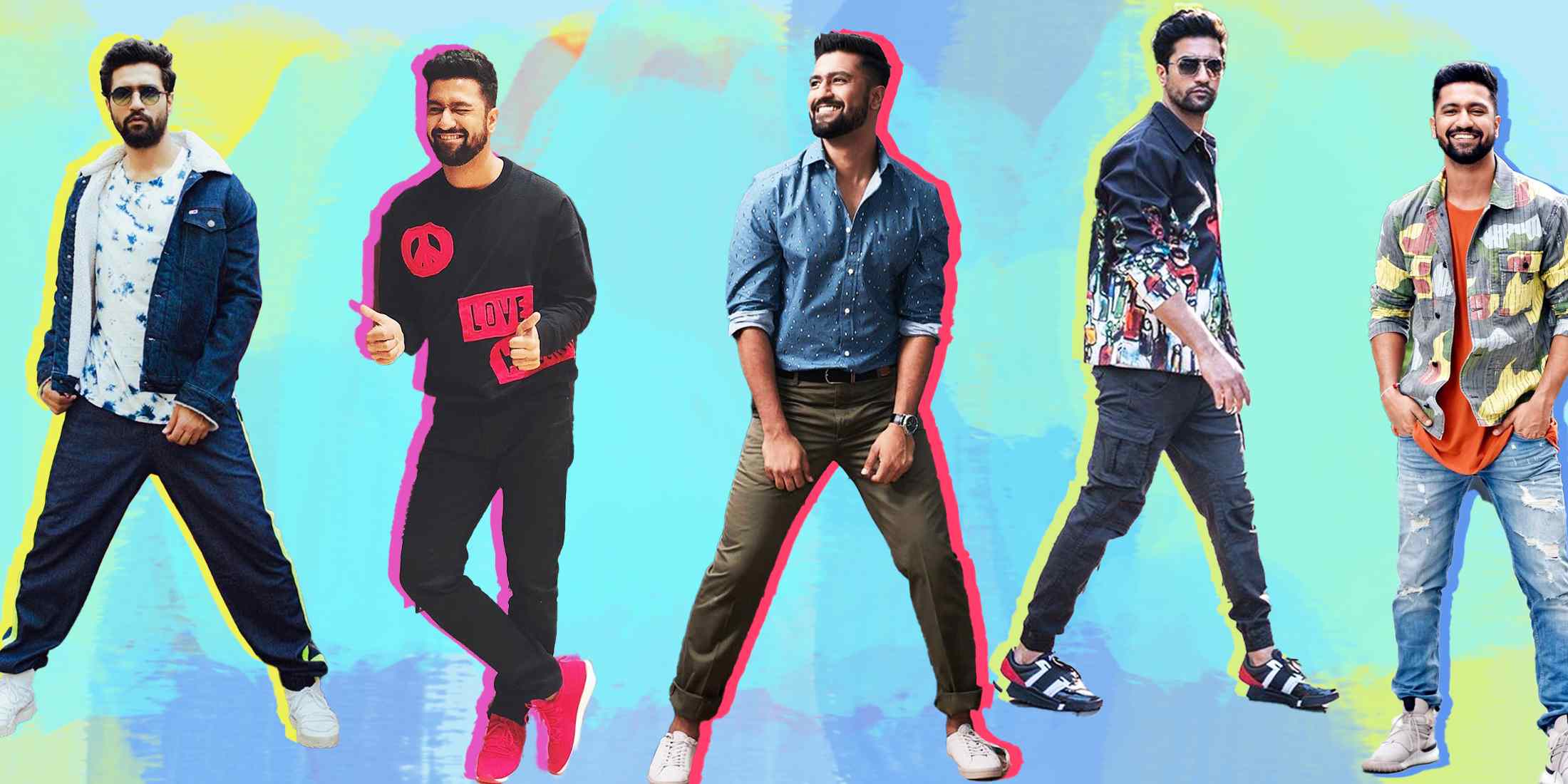
While high fashion has traditionally been associated with runways and luxury brands, street style has gained increasing prominence in recent years. The rise of urban fashion, inspired by the streets, music, and youth culture, has heavily influenced mainstream fashion. Brands like Supreme, Off-White, and Adidas have become symbols of a style that blends comfort with individuality. Street style is an example of fashion democratization, where what’s worn on the streets can often rival what’s seen on the runways of Paris and Milan.
Sustainability in Fashion
One of the most significant shifts in recent years has been the growing awareness of sustainability in the fashion industry. The environmental impact of fast fashion has sparked concern over the waste, pollution, and exploitation that often accompany mass-produced clothing. As a result, eco-conscious brands like Patagonia, Reformation, and Stella McCartney have become leaders in promoting sustainable practices. These brands use organic materials, eco-friendly dyes, and fair labor practices to reduce their environmental footprint. The trend toward sustainable fashion has also led to the rise of secondhand fashion, upcycling, and slow fashion movements.
Fast Fashion: The Double-Edged SwordWhile fast fashion has made trendy clothing more accessible and affordable, it has also contributed to many problems, including waste, poor working conditions, and environmental damage. Companies like Zara, H&M, and Forever 21 have been criticized for their quick turnaround of cheap, low-quality clothes that encourage disposable fashion. These practices have led to an increase in textile waste, as consumers constantly buy new clothes but discard old ones. The constant need for new styles also places pressure on garment workers in developing countries, who often work in unsafe conditions for low wages.
Fashion as Art
Fashion is often seen as art in motion. Designers use clothing as a medium to convey creative ideas and artistic concepts. Haute couture collections, in particular, are known for their intricate designs and the craftsmanship that goes into each piece. Haute couture shows are like live art exhibitions, where fabric, color, and silhouette are carefully chosen to express something deeper than just functionality. Fashion houses like Chanel and Dior are famous for their couture creations, which are often worn by celebrities on red carpets or in exclusive settings.
The Role of Fashion Magazines
Fashion magazines have long been the gatekeepers of trends and style. Publications like Vogue, Elle, and Harper’s Bazaar have played a pivotal role in shaping public perceptions of beauty, style, and luxury. Through editorials, interviews, and advertisements, fashion magazines have not only dictated what’s in style but have also given visibility to emerging designers, models, and trends. In the age of digital media, online platforms like Instagram and Pinterest have democratized fashion influence, but traditional magazines still maintain their prestige and credibility in the fashion world.
The Impact of Celebrity Culture on Fashion
Celebrities and influencers have an undeniable impact on the fashion world. When a celebrity wears an outfit, it can sell out in seconds. The celebrity endorsement has been a key marketing strategy for fashion brands for decades, but with the rise of social media influencers, anyone with a large online following can become a fashion icon. Platforms like Instagram and TikTok have democratized fashion influence, allowing influencers to set trends, promote brands, and engage with a global audience.

Street Style and Its Impact


Comments
Post a Comment